I received a Terra Foundation Grant in 2024, and this is part of a series of posts on the installation and impacts of the garden which has resulted from that. I’ve written one or more blog post on each of the requirements of the grant. You can find them on my website. Today’s post is about keeping track of what’s planted.
“The Terra Foundation Residential Grant provides $1,000 for native plant material to install a new garden where turf has been removed in a home landscape. The Terra Foundation is committed to biodiversity and water conservation. Please see additional requirements listed in Section 2. Ten grants available.” Here are the extra requirements: [just including the one which is the focus of this post]
“d. Maintaining a record of plants, documenting successes with photos. “
A previous post on the Terra Foundation grant included a list of plants in our yard. What is the secret sauce in maintaining the list? Collaboration. My adult son still lives at home while he’s saving up and building a portfolio for a master’s degree (he’s got a bachelor’s degree in landscape architecture). He has become more and more of a collaborator on the yard, as well as a co-designer, co-installer, co-worker on all of this (honestly, every gardener’s dream). We have a shared document that we can both add to and edit. Because he does native plant landscaping for a living, his plant ID is top notch, and because he’s young, his memory is abolsolutely razor sharp. I do a good job with the big picture: we need x plant because of y habitat needs, and I can grow it or I can source it. My spelling of Latin names is also somewhat better than his. I think using an app that is easy to access from our phones means that we can and do edit the list on the fly (ie, in the yard).
Documenting with photos… I am a pretty crappy photographer. My solution to that is to take a lot of photos and delete the bad ones. I’ve also gotten less precious about it; while others are better photographers, sometimes, just having good enough photos is better than have no (perfect) photos. Again, my son is better at this than I am. I am changing over time, as I realize that we do need to keep track of what is going on.
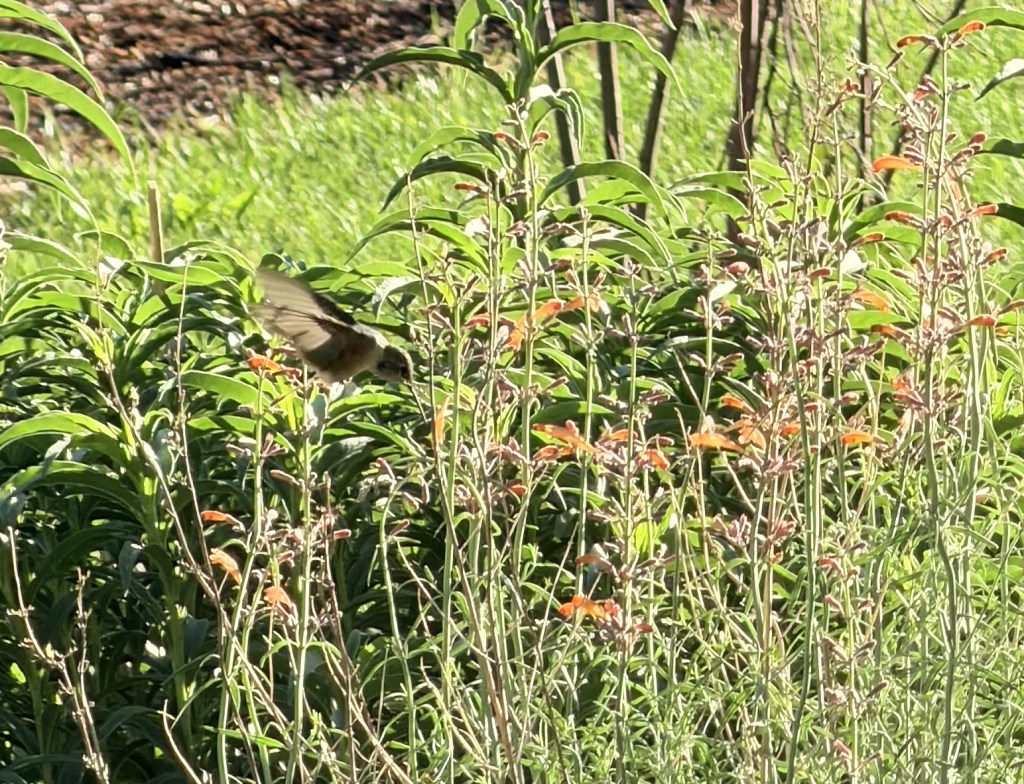
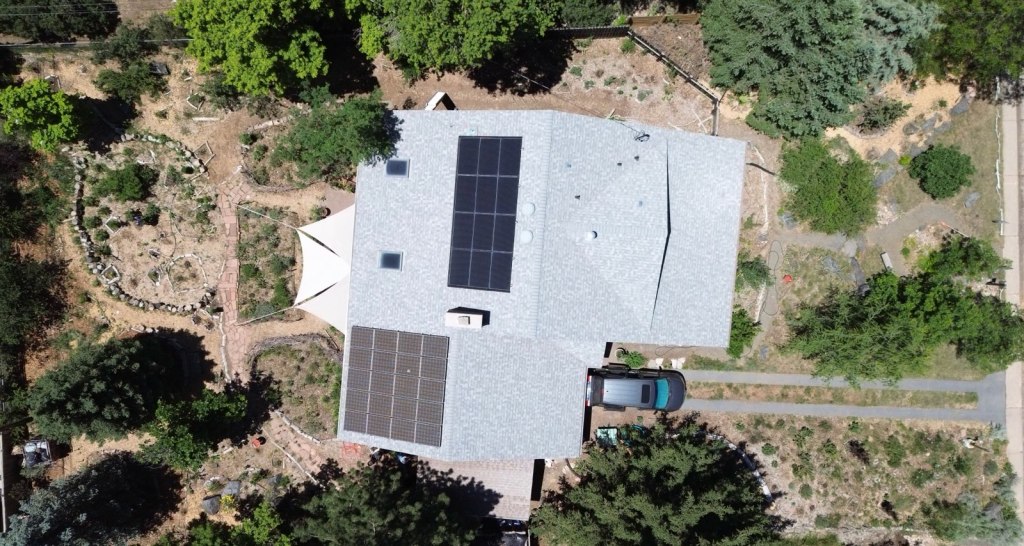
I also want to focus in on that word “successes”–what does that mean? I think in the landscaping world, that means “attractive.” As we sit here ten months into a drought and in a heat wave, I also think it means that the plants have survived and are doing their jobs in providing habitat. In this post, I’m including photos of plants and garden infrastructure providing habitat, but I pledge to do photo dumps more regularly. I promise. I have some pretty neat flower pictures and bug pictures, but for this brief post, I just want to show our yard functioning as habitat for the “bigger” wildlife.
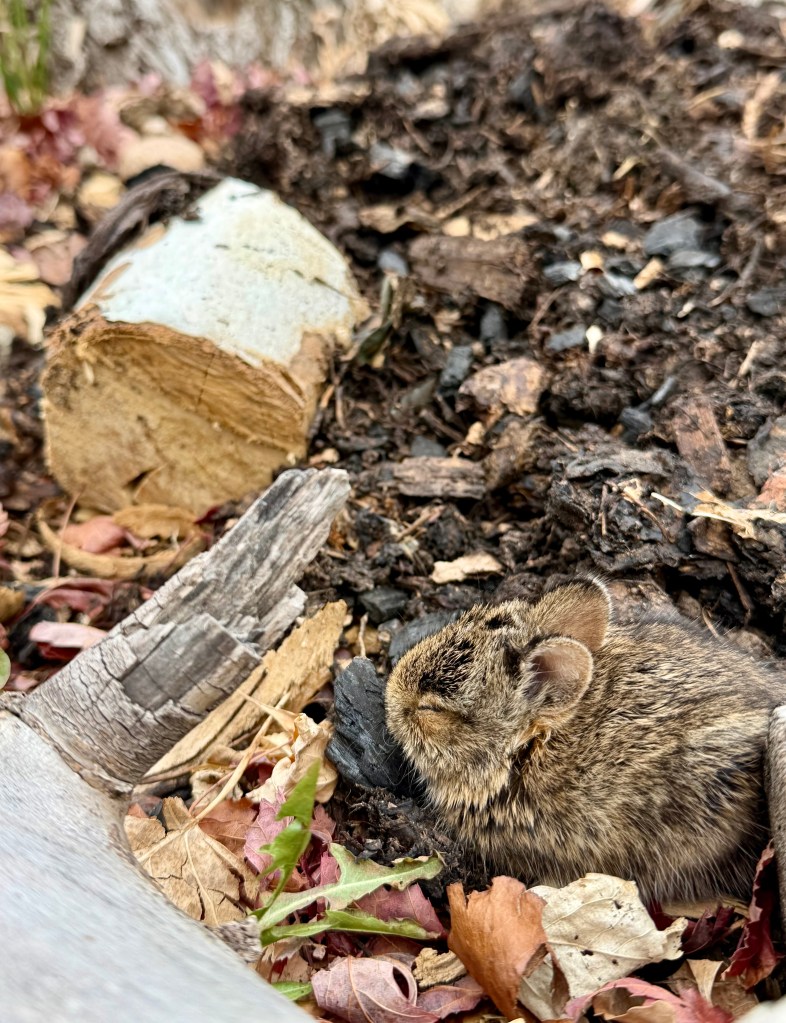
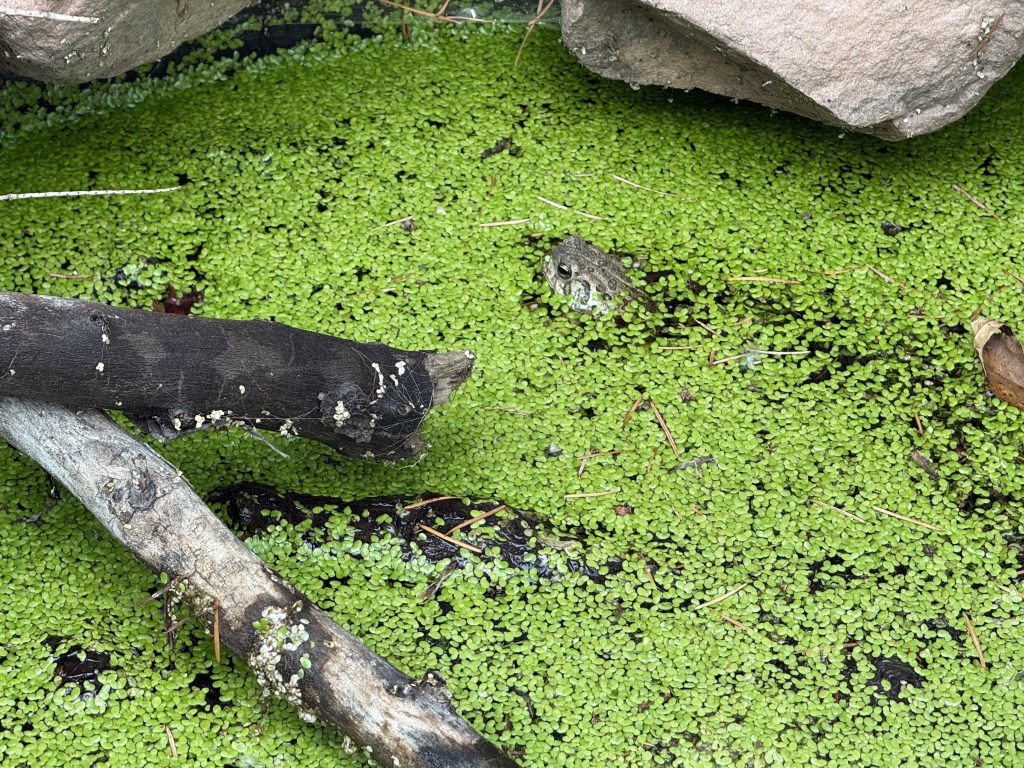
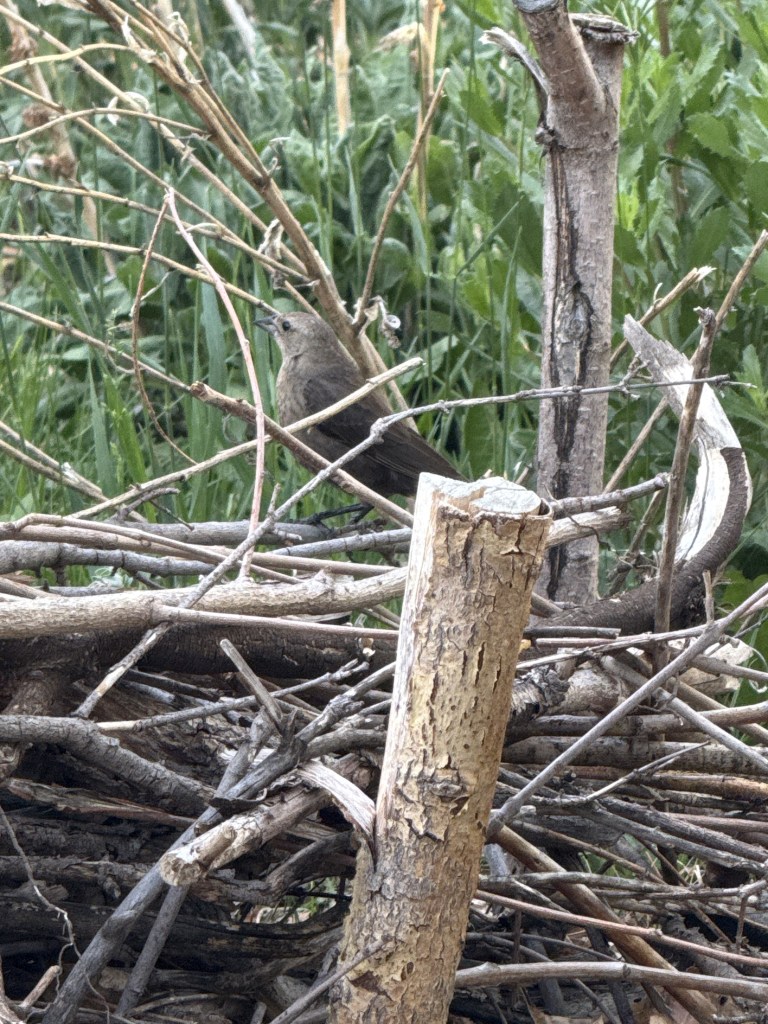 We have edged many of our beds with “dead hedges” to keep the dogs out. We have found that wildlife takes advantage of them for cover.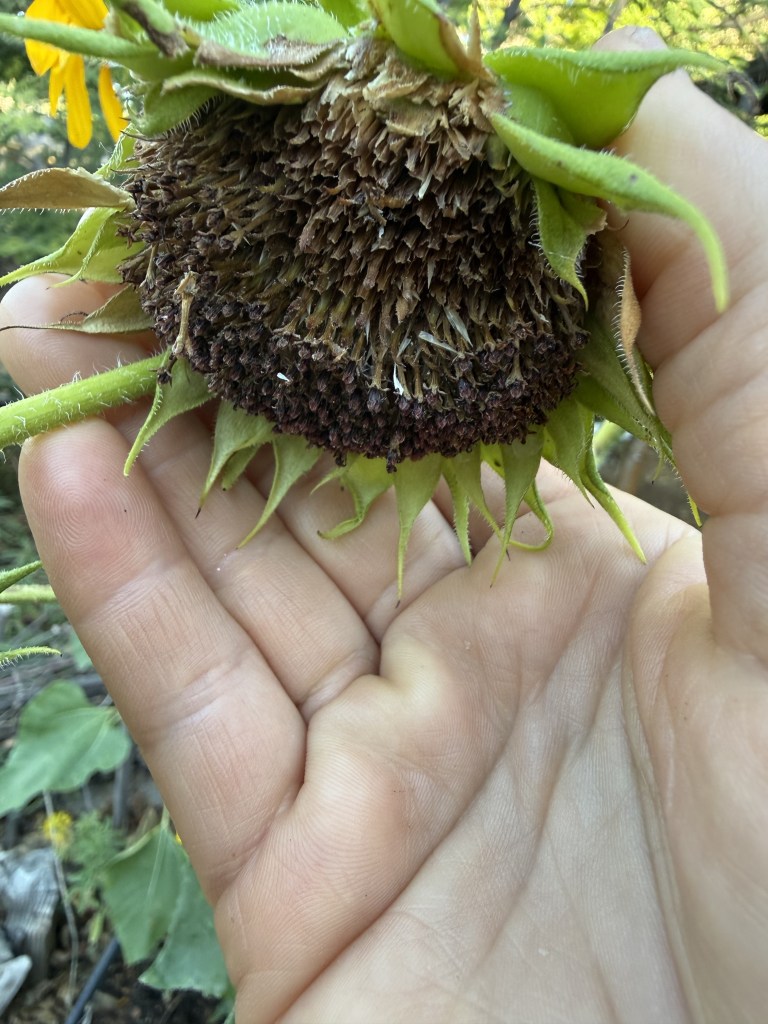
All photos mine or my son’s, text original, all copyrights reserved.


Leave a Reply