Reminder: This is part of a series of posts on the Terra Foundation Grant I received in April of 2024. “The Terra Foundation Residential Grant provides $1,000 for native plant material to install a new garden where turf has been removed in a home landscape. The Terra Foundation is committed to biodiversity and water conservation.” The grant had extra requirements in six categories, and I am devoting at least one blog post to each of those. In addition, I plan to do some reflecting on the whole process and what I have planned next for my garden.
This post’s theme: Including a diversity of native species and growth forms to support biodiversity. I broke this into two pieces. The first post addressed how I interpreted what this means and which resources I used. This second post is about the list of plants I came up with. If you have questions about how the plant is doing, ask me. If you have questions about why the plant was chosen, ask me, or take a look at the resources in the Biodiversity Part 1 post.
I ended Part 1 by commenting that this is a work in progress and that it took time to get here and that what has been more recently planted will take time to mature. (And I happened to note that I have over 100 high impact plant species in my yard.) I want to double emphasize that IT TAKES TIME TO GET HERE and also remind you that I’m trained as an ecologist. Plants are my thing. Are there people with prettier yards than me? Definitely. Are there people with more native species than me, or whatever yardstick you want to use for comparison? Definitely. But over 100 is a lot. I recommend that you take your time, think about high impact and long-lived plants (trees and shrubs) first, bite off sections or layers of your landscape each year.
(And that is basically where this draft has sat for about two years while life has been zooming. I’m going to include what we ended up planting. Buckle up. On Mondays for a while, I will publish posts which have been malingering in draft form.)
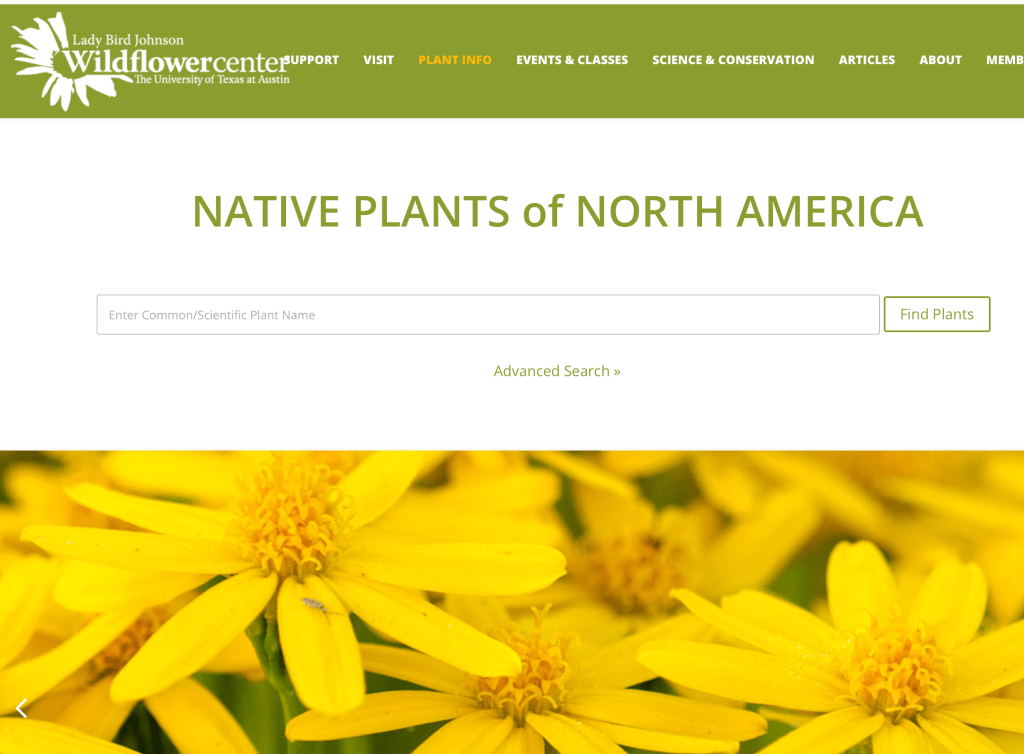
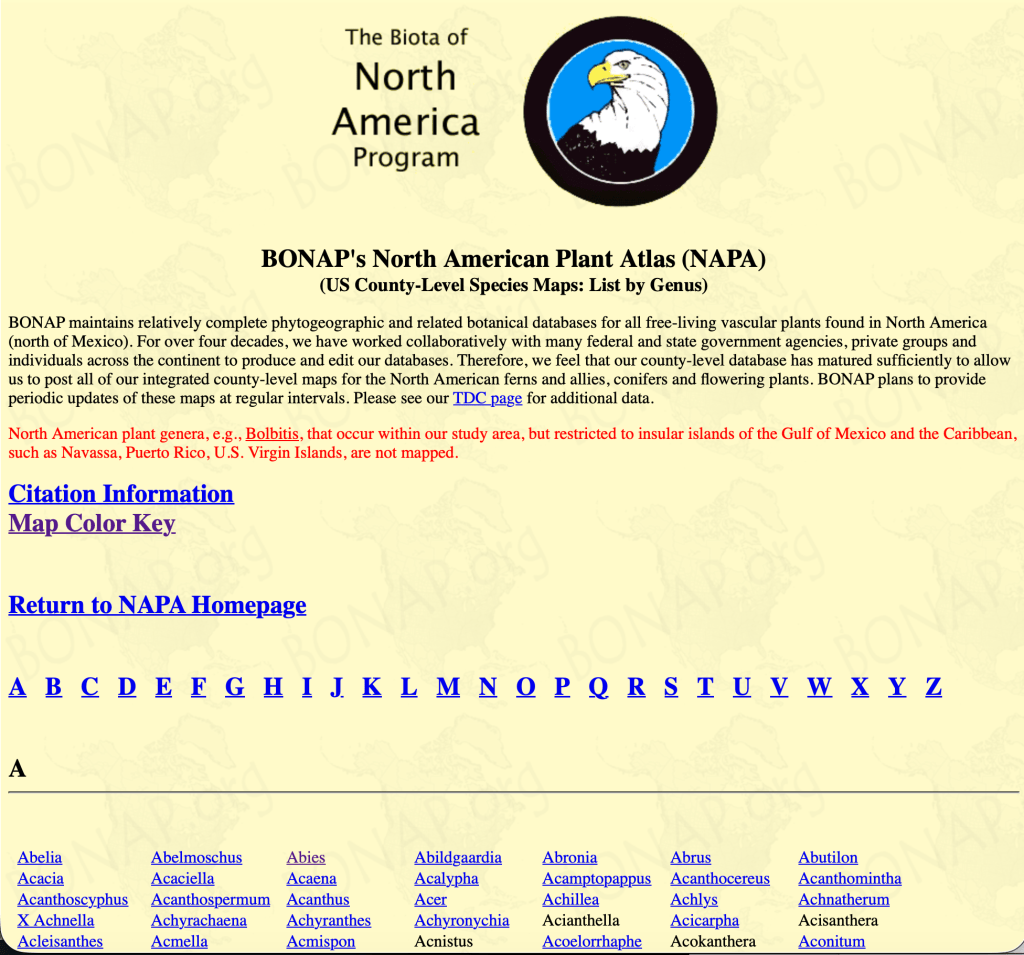
To note: this is mostly off the top of my head. When I check what is considered a Colorado native plant, I generally check the Flora of Colorado by Jennifer Ackerfield. When I say something is a regional native, I use the definition that we use in Wild Ones Front Range: native to a state contiguous to Colorado plus Texas (because there’s Texas on the other side of the bit of Oklahoma bordering Colorado)–that means Kansas, Nebraska, Wyoming, Utah, Arizona, New Mexico, Oklahoma, and Texas. Obviously, the closer the better (for me, that would be northern New Mexico, western Kansas, western Nebraska, southern/eastern Wyoming). I check the Biota of North America Project and/or the Lady Bird Johnson Wildflower Center for species outside of Colorado. While I realize that native to my ecoregion and/or county is best, I get that I could drive myself crazy with this and that most people are landscaping with mostly Eurasian plants, not even North American plants. Many “not native to Colorado” plants in my yard offer pollen and nectar to native bees, many of which are somewhat less fussy on strict “nativity” than are butterflies and moths. Same with foods for birds, especially those which migrate. I have a lot of variety of plant types which are native to my county and ecoregion, so I think my balance is there.
Nomenclature… why am I weenie and only listing the Latin binomial for each plant and not listing any common names? A few reasons. 1–Maintaining any kind of list is work. One name per plant is less work. 2–Binomial nomenclature is ultimately less confusing than common names. While there are some arguments within botany about the classification of various plants (Pulsatilla or Anemone? Mahonia or Berberis? etc), you can generally get there with a binomial, whereas with common names, complete and utter confusion can abound. 3–This list is a collaboration, initiated by my son, who generally only uses the binomials. Any questions about any plants? Reach out.
Trees–this list is basically about what was here already (a few of them), what supports birds, and what supports insects. Colorado natives are marked with a * and regional natives with a +
Acer grandidentatum*
Acer negundo*
Alnus incana ssp tenuifolia *
Betula occidentalis*
Catalpa speciosa+
Celtis reticulata*
Corylus cornuta*
Crataegus spp
Fraxinus spp
Larix occidentalis+
Picea pungens*
Picea spp
Pinus aristata*
Pinus ponderosa*
Prunus virginiana ‘Sucker Punch’ * ish
Pseudotsuga menziesii*
Ptelea trifoliata*
Quercus gambelii*
Quercus macrocarpa+
Shrubs–We planted every shrub in our yard. This is about what supports birds and what supports insects. Colorado natives are marked with a * and regional natives with a +
Amelanchier alnifolia*
Amorpha fruticosa*
Artemisia tridentata*
Atriplex canescens*
Berberis aquifolium+
Berberis repens*
Cercocarpus intricatus*
Cercocarpus ledifolius*
Cercocarpus montanus*
Chamaebatiara millefolium*
Cornus sericea*
Ericameria nauseosa*
Fallugia paradoxa*
Holodiscus dumosus*
Krascheninnikovia lanata*
Lonicera involucrata*
Philidelphus lewesii*
Physocarpus monogynus*
Prunus americana*
Prunus pumila besseyi*
Prunus virginiana*
Purshia tridentata*
Rhus glabra*
Rhus trilobata*
Ribes aureum*
Ribes cereum*
Ribes leptanthum*
Rosa woodsii*
Rubus deliciosus*
Shepherdia argentea*
Shepherdia canadensis+
Symphoricarpos occidentalis*
Cacti/Succulents–this list is missing several species and needs to be updated. Colorado natives are marked with a * and regional natives with a +
Cylindropuntia imbricata*
Hesperaloe parviflora+
Opuntia spp*
Sedum lanceolatum*
Yucca glauca*
Grasses/Grass-like–Colorado natives are marked with a * and regional natives with a +
Androgon gerardii*
Bouteloua curtipendula*
Bouteloua dactyloides*
Bouteloua gracilis*
Carex brevior*
Deschampsia caespitosa*
Eragrostis spectabilis*
Festuca glauca*
Koeleria macrantha*
Panicum virgatum*
Schizachyrium scoparium*
Sorghastrum nutans*
Spartina pectinata*
Sporobolus airoides*
Sporobolus cryptanoides*
Sporobolus heterolepis*
Sporobolus wrightii*
Typha spp.*
Forbs–Colorado natives are marked with a * and regional natives with a +
Achillea millefolium*
Agastache foeniculum*
Agastache rupestris+
Agastache urtifolia*
Alcea spp
Allium cernuum*
Amsonia hubrichtii
Amsonia illustris
Amsonia jonesii+
Aquilegia canadensis
Aquilegia chrysantha*
Aquilegia coerulea*
Antennaria neglecta*
Antennaria parviflora*
Artemisia frigida*
Artemisia ludoviciana*
Ascelpias incarnata*
Asclepias speciosa*
Asclepias tuberosa*
Ascelpias verticillata*
Baptisia australis+
Berlandiera lyrata*
Callirhoe involucrata*
Cleomella lutea*
Cleomella serrulata*
Coreopsis lanceolata*
Dalea candida*
Dalea purpurea*
Drymocallis arguta+
Echinacea angustifolia*
Echinacea pallida+
Echinacea purpurea+
Erigeron speciosus*
Eriogonum arcuatum*
Eriogonum umbellatum*
Eryngium yuccafolium+
Fragaria virginiana*
Gaillardia aristata*
Gaillardia pulchella*
Gallium boreale*
Geranium vissicossimum*
Geum triflorum*
Grindellia squarosa*
Helianthus annus*
Helianthus maximilliani*
Helianthus nuttallii*
Heliomeris multiflora*
Heterotheca villosa*
Heuchera richardsonii*
Ipomopsis aggregata*
Ipomopsis rubra+
Liatris punctata*
Linum lewesii*
Lobelia siphilitica*
Lupinus perennis var occidentalis+
Mirabilis multiflora*
Monarda fistulosa*
Oenothera macrocarpa+
Oenothera pallida*
Oenothera villosa*
Penstemon barbatus*
Penstemon clutei+
Penstemon eatonii*
Penstemon grandiflorus*
Penstemon palmeri*
Penstemon pinofolius+
Penstemon rostiflorus*
Penstemon secundiflorus*
Penstemon strictus*
Penstemon superbus+
Penstemon virgatus*
Penstemon virens*
Penstemon whippleanus*
Phacelia hastata*
Physalis longifolia*
Pulsatilla patens*
Ratibida columnifera*
Rudbeckia hirta*
Rudbeckia laciniata*
Ruellia humilis+
Salvia azurea+
Senecio integerrimus*
Silphium integrifolium+
Silphium laciniatum+
Solidago nana*
Solidago rigida*
Solidago speciosa+
Symphotrichum ericoides*
Symphotrichum laeve*
Symphotrichum oblongifolium*
Symphotrichum oolentangiense+
Thermopsis divaricarpa*
Tradescantia occidentalis*
Verbena hastata*
Verbena stricta*
Vernonia fasiculata+
Zinnia grandiflora *
Vines–Colorado natives are marked with a * and regional natives with a +
Clematis ligusticifolia*
Humulus lupulus var neomexicana*
Vitis riparia*
All text original, all copyrights reserved. Images are screenshots of websites with sources listed; all rights to those images and words reside with their owners.


Leave a comment