I really hesitate to write some of these posts, because I don’t really like to advertise where my judgment has gone wrong. However, reflecting on what I’d do differently helps my future choices. Previous posts cover hardscape; beds, berms, and swales; and living mulch. Today’s pondering hits a little differently, however… fences are just challenging, and they are rarely decisions over which one has full control.
When we moved in, our six-foot wooden privacy fence was in really rough shape. Wooden posts were rotting and falling over, and many slats were warped or broken. Our yard shares fencing with five other yards, so we had five separate negotiations to figure out what do to do. We had a clear victory with one neighbor, a partial victory with another, a lesser partial victory with two others, and in my mind, an almost complete failure with the last. Allow me to explain.
In our town of high wind, fire, and flood, there are guidelines and permitting for fencing, though these have changed since we installed our fences over ten years ago. Sadly, sightlines, footings, post diameter, and height form the major considerations in the current guidelines, with no thought to flammability, free movement of insects/pollinators/birds/other small creatures, recycling/reuse of materials, embodied carbon of materials, recyclability/reuse of the “new” materials, and impact on wind movement… there’s so much to think about that no one ever thinks about, and then one has to come to agreement with someone else who may have difference values, aesthetics, and concerns.
Behind the failing wood privacy fence between us and our favorite neighbors was an old chain link fence. We took down the old fence, removed and recycled all the nails and screws as scrap metal, and had the wood ground into mulch. Our super handy neighbor moved the chain link fence to the property line (previous owners had placed it on their easement line, creating a DMZ of Canada thistles). We planted bushes and small trees on our side (apple, Gambel oak, wild plum, lilac), and we chat over the fence and pet each others’ dogs. I love this fence solution; it was zero embodied carbon, 100% recycling/reuse of old materials, good for habitat (insects can fly through, other animals can pass through or jump over), and it has strengthened our relationships.
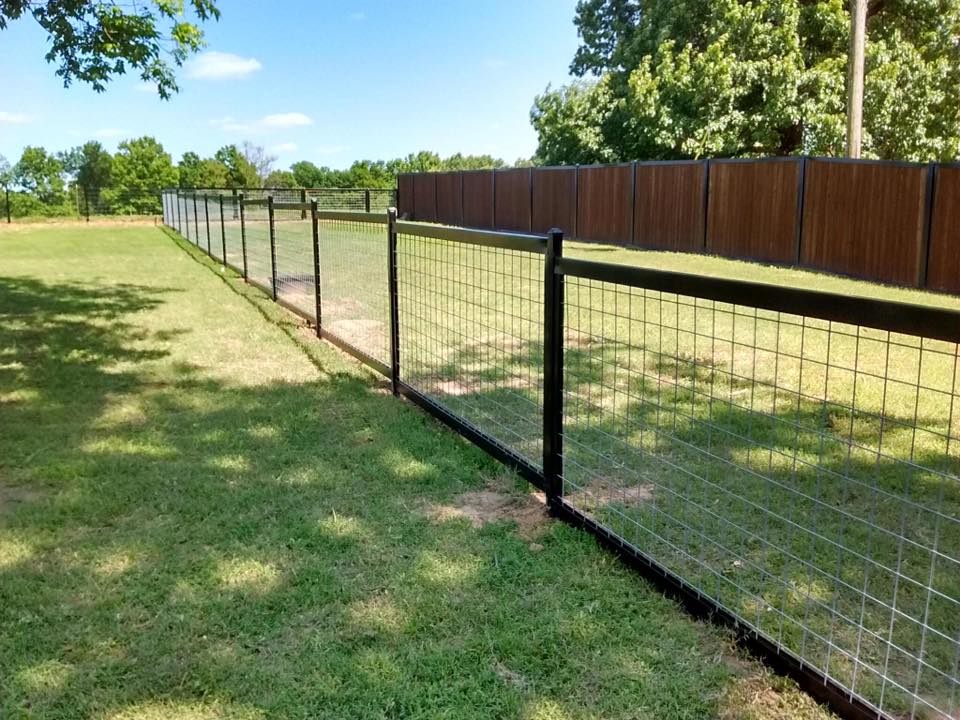
One of our rear neighbors agreed to an open fencing design of galvanized hog panels framed by wood uprights, attached to steel fence posts set in concrete. The aesthetic is something of a more attractive chain link fence. Insects, small animals, and wind pass through it. While steel has high embodied carbon, this fencing will last so much longer than a typical wooden fence, and most of it is reusable. Hog panels and similar materials are frequently available at our local construction reuse non-profit, though it would take time and some scrounging to accumulate enough for a longer fence. We don’t see these neighbors much, but a fair amount of planted material lies between our houses (their evergreens, our chokecherries, a few plums, a Russian hawthorn, and a catalpa).
Despite the lack of guidelines, we knew that we didn’t want to have to go through the hassle of replacing the other fences yet again after twenty years. The weak point in Front Range wooden privacy fences is wooden fence posts, even when set in concrete. They rot at ground level and eventually fail. Where two other neighbors insisted they wanted to retain wooden privacy fences, we were able to eke out some important compromises. First, we used steel fence posts (faced in wood) set in concrete. While these are higher embodied carbon initially, they will last so much longer, and a new or repaired fence can be attached to them. Second, we were able to go with alternating slats. These allow some passage of insects, small animals, and wind, though not as much as is ideal. Finally, we were able to agree on a 5′ height rather than 6′, saving 20% of the area of slats. None of this fence is stained or treated, so when the slats reach the end of their lives, they can be ground into mulch rather than landfilled.
Our failure was with the fifth neighbor. They insisted on a solid, closed slat design, which is the worst accessibility for wildlife of all sizes and takes the full force of the wind. Worse, I figured out later that they had painted their side, condemning the slats to the landfill at the end of their life. Fortunately, this is a very short section of fence.
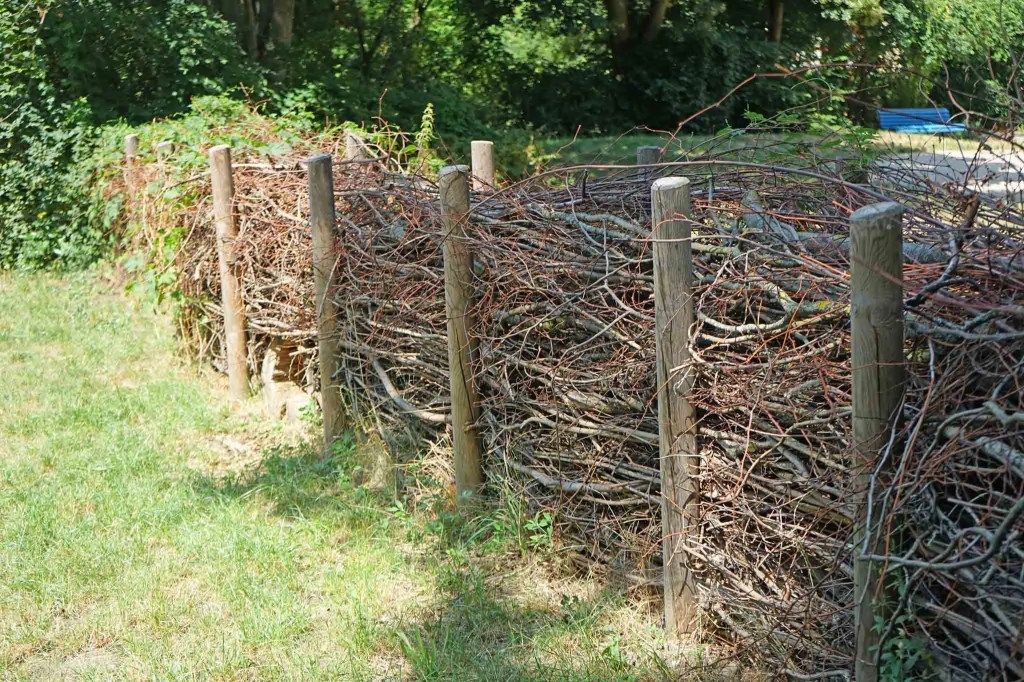
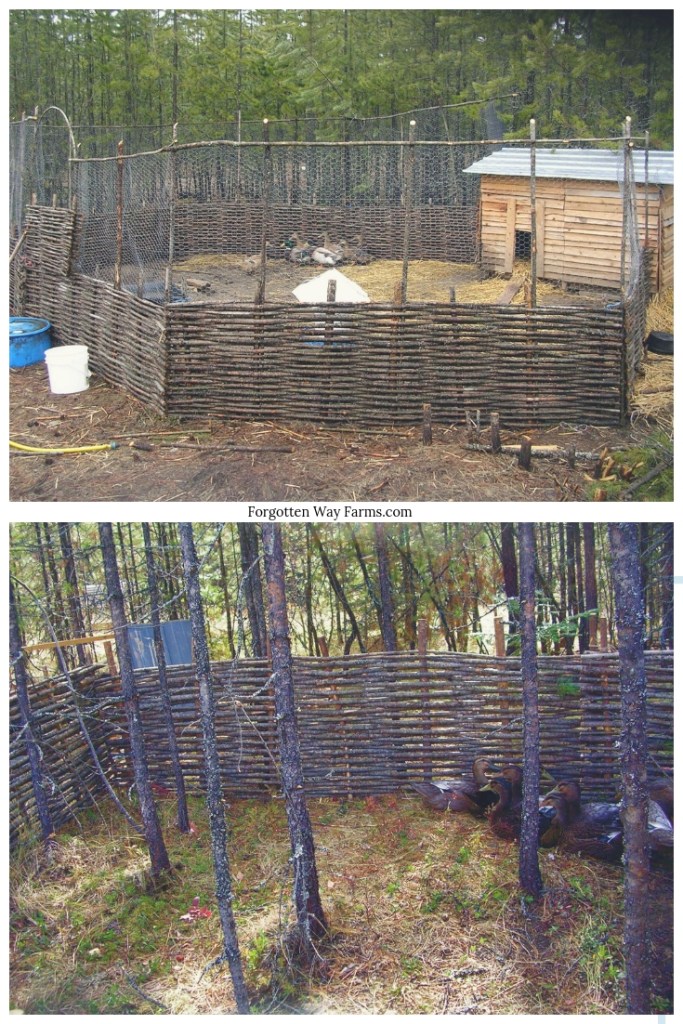
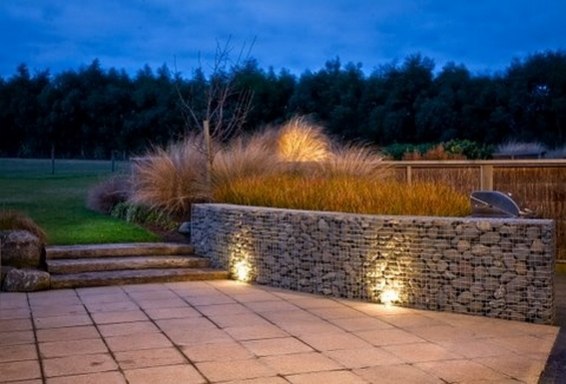
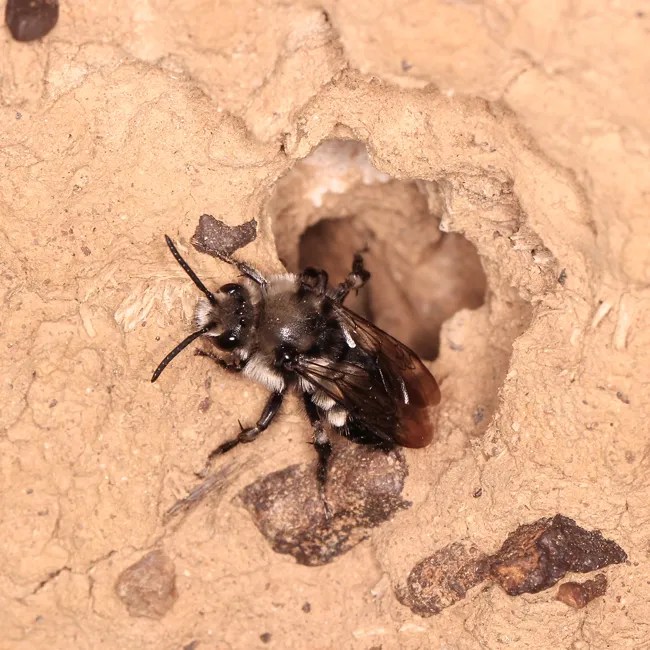
What I wish I had been able to achieve with neighbors was designs incorporating more reuse, less virgin wood, and more creativity. I love the look of gabion stone fences, and my neighborhood is full of cobbly soil. Between retrieving rock at remodeling sites and getting it from freecycle and craigslist, I’m pretty sure that we could have constructed some fireproof fences made completely of reused materials and which would provide some habitat space for bugs. Adobe and cob walls can be used by bees for nesting, an important consideration in Colorado (we have over 1000 native bee species, and around 90% of them are ground nesting). These walls can be made with site soil or free local soil and are very low cost and fireproof. Dead hedges are another superb way to use free local materials to establish a boundary which supports wildlife. While they may not be the best choice in a site adjacent to open space with greater fire risk, our neighborhood’s risk is quite low. Wattles are another, more compact way to reuse excess local organic materials.
Last but not least, I am playing around with hedgerows in our two areas of open fencing with neighbors (and the open fencing between our front and back yards). I have planted species of trees or larger shrub which spread or sucker and which provide habitat for insects, birds, and other wildlife. So far, I have focused on Gambel oaks, chokecherries, and wild plums, but I would like to get my hands on some New Mexico locust, New Mexico privet, and native hawthorns.


 Climate Resilient Landscapes
Leave a comment